Caring For Alaskan Dogs
Alaskan Malamutes
Training:
The Alaskan Malamute is an intelligent breed that responds well to positive, reward-based training. But these dogs can also be stubborn and willful. So, consistent, rigorous training is essential for raising a respectful, obedient dog.
Because Malamutes are pack animals, they must understand their place in the family hierarchy. Without adequate socialization and training, they may become dominant with other pets and kids—posing a risk due to their sheer size and strength.
Use toys and treats to capture this breed's attention. And remember that some behaviors, such as digging, are hardwired into Alaskan Malamutes and may be hard to eradicate—even with the best training.
Grooming:
Daily grooming is required to keep your Malamute's thick, coarse coat looking its best. A metal comb and pin brush are the ideal tools for the job. Grooming is especially important for this breed because its waterproof fur often becomes matted, which can impact skin health.
Alaskan Malamutes blow their coats twice per year. During these times, you'll need to groom more frequently to manage your dog's undercoat. Bathing them with conditioner will also keep their coat from becoming too dry.
Finally, all dogs need their nails trimmed, ears cleaned, and teeth brushed regularly.
Health & Nutrition:
Alaskan Malamutes require a high-quality dog food that is age-appropriate—whether it's commercially manufactured or homemade (with a veterinarian's supervision and approval). Look for foods designed for large, high-energy breeds. And keep in mind that dogs engaged in endurance activities like sledding or skijoring (when a dog pulls a person on skis) may require extra calories.
These highly active dogs aren't prone to weight issues. But it's important to monitor how much your Alaskan Malamute eats and reduce portions or restrict calories if your pup gains excess weight. Also, remember that giving too many treats in addition to regular meals can contribute to obesity.
Exercise:
Strong, active dogs, Alaskan Malamutes are members of the working dog group and require a lot of exercise. So, be prepared for long walks and off-leash play at fenced-in dog parks. Because without enough opportunities to burn off their energy and appease their working instincts, Alaskan Malamutes can become bored and destructive.
Enrolling Alaskan Malamutes in activities like agility, obedience trials, and weight-pulling competitions are other fun options. These athletic dogs also make excellent running partners and perfect companions for backpacking trips, competitive sledding, and skijoring.
Alaskan Huskies
Training:
Alaskan Huskies can be very strong-willed. To combat any stubborn tendencies, start consistent and firm (but gentle) training during puppyhood. Reward-based methods using treats and favorite toys work well for this breed.
Grooming:
Brushing an Alaskan Husky's coat once or twice a week will help keep it clean and healthy. During periods of seasonal shedding, more frequent brushing with a pin brush will help remove the old coat. Regular nail trims should also be part of their grooming routine. Nails that get overly long can cause pain and potentially lead to problems running or walking.
Good dental hygiene is also essential to your dog's long-term health. Dental disease is one of the most common health conditions in adult dogs. Left untreated, it can lead to serious issues. In addition to professional cleanings, establish an at-home dental care program that includes regular teeth brushing and veterinarian-recommended dental chews.
Health & Nutrition:
These dogs thrive on a high-quality diet formulated for their life stage. And working Alaskan Huskies need their diets adjusted seasonally. (More protein during the winter months when they're pulling sleds, and less in the summer when they're not as active.)
It's important to keep an eye on your pup's food intake to ensure they maintain a healthy weight. Measure their portions to avoid overfeeding and limit treats to no more than 10% of their daily calories.
Exercise:
Alaskan Huskies need a lot of physical exercise. They're happiest when showing off their natural skills during winter sports—such as sledding, skijoring (pulling a skier), and carting. When that's not an option, long walks and runs will do the trick.
Basic obedience training will also provide them with much-needed mental exercise.
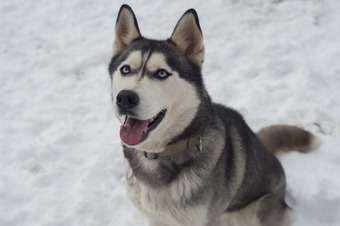
Alaskan Klee Kais
Training:
The Alaskan Klee Kai is an intelligent breed that's easy to train. Use positive reinforcement and treats to mold their behavior. Because of their curious nature, it's important to change up training activities for your Klee Kai (so they don't get bored).
This breed tends to be aloof with strangers. Socializing your dog from puppyhood is critical for making them more comfortable around unfamiliar faces.
Grooming:
Because of their double coat, the Alaskan Klee Kai sheds quite a bit. However, weekly brushings are typically enough to remove excess hair. These dogs blow their coats twice a year. During such seasonal shedding periods, a bath will remove some of the excess hair. Regular nail trims and ear cleanings are also easy ways to keep your pup healthy and looking good.
Alaskan Klee Kai, like other dogs, require regular dental care that includes at-home teeth brushing and annual professional dental cleanings. Start a dental care program early and maintain it throughout your pup's life. Good dental hygiene is essential for their overall long-term health.
Health & Nutrition:
Alaskan Klee Kai require a high-quality dog food appropriate for their life stage (e.g., puppy, adult, senior). Because of their size and energy level, they also benefit from a diet specially formulated for active, small-breed dogs.
The breed's energetic nature minimizes the risk of obesity. But it's still important to monitor their food intake. Excess weight puts the Klee Kai at higher risk for health issues. So, use a measuring cup to portion out their food to avoid overfeeding. And make sure treats make up no more than 10% of their daily calories.
Exercise:
Klee Kais are active and like to be on the go. Because of their strong hunting instincts and prey drive, they can be unreliable off-leash. Play sessions in a secure, fenced yard and regular leashed walks are a few of the best ways to keep these high-energy dogs happy.
Without sufficient exercise, the Alaskan Klee Kai could become high-strung and anxious. Activities like agility and obedience training are a great fit for these quick, intelligent dogs.